
A crossbite is a type of malocclusion, or misalignment of the teeth, where the upper and lower teeth do not fit together as they should. This condition can occur on one or both sides of the mouth and can affect a single tooth or multiple teeth Read more.
Crossbites can be categorized into two main types, which are differentiated by their locations in the mouth: the anterior crossbite and the posterior crossbite.
Anterior Crossbite
An anterior crossbite, colloquially known as an underbite, occurs when the upper front teeth sit behind the lower front teeth when the mouth is closed. This type of crossbite can affect a person’s facial aesthetics, causing the lower jaw to look more pronounced. Anterior crossbites can also lead to functional issues, such as difficulty biting and chewing food. Furthermore, it can cause the uneven wearing of teeth and could potentially contribute to temporomandibular joint disorders Read more.
Posterior Crossbite
In contrast to an anterior crossbite, a posterior crossbite is where the upper back teeth sit inside the lower back teeth. This type of crossbite is more common and can lead to a host of issues. Besides the uneven wear and tear on your teeth, it can also cause asymmetrical jaw growth, facial asymmetry, and problems with jaw function. Posterior crossbites can also potentially impact speech.
Crossbites often have a genetic component, with the condition running in families. This could be due to inherited traits such as the size of one’s jaws or teeth which could lead to a misfit between the upper and lower dental arches.
Environmental factors also play a significant role. Delayed or abnormal tooth eruption can contribute to the development of crossbites. Moreover, certain childhood habits such as prolonged thumb sucking, pacifier use, or mouth breathing can lead to changes in the shape and growth direction of the jaws, resulting in a crossbite Read more.
Orthodontic interventions for crossbites vary based on the type and severity of the crossbite, as well as the age of the patient.
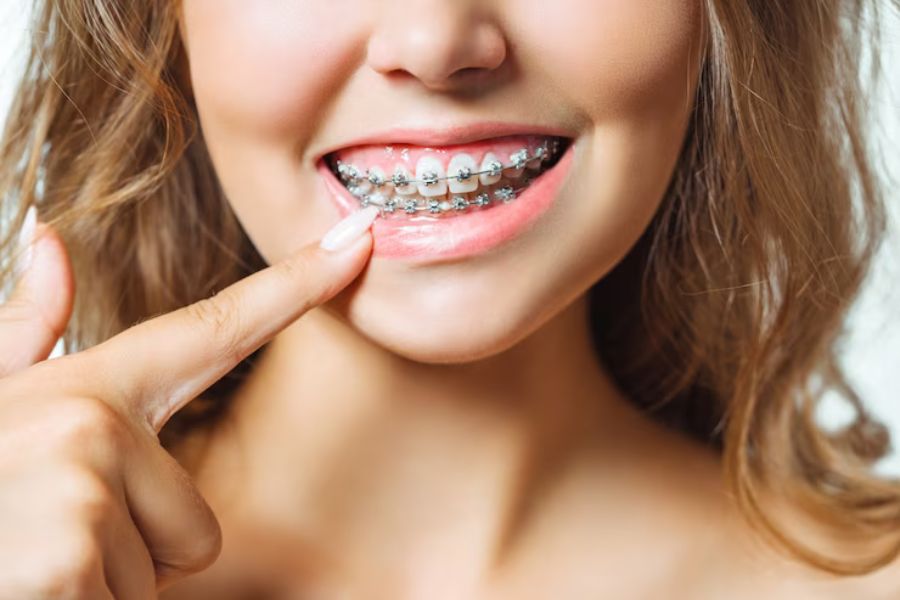
Braces are a common treatment for crossbites. They work by applying gentle, controlled forces to the teeth over a period of time, gradually moving them into the desired position.
In cases where the crossbite is due to a narrow upper jaw, a palatal expander may be used. This device works by gradually widening the upper jaw, creating more space for the upper teeth to fit over the lower teeth.
Clear aligners, such as Invisalign, can also be used to treat certain crossbites. These aligners are custom-made, and the patient wears a series of them over time to gradually move the teeth.
Orthognathic surgery is usually reserved for severe cases of crossbite where non-surgical treatments are insufficient. This surgery corrects conditions of the jaw and face that can’t be easily treated with braces alone.
Conclusion
Crossbites, though a common dental misalignment, are not to be taken lightly. The potential impacts extend beyond just cosmetic concerns, affecting one’s overall oral health and even quality of life. This highlights the importance of early detection and appropriate treatment. Remember, understanding the intricacies of conditions like crossbites can empower you to make informed decisions about your dental health, contributing to a lifetime of healthier, happier smiles.